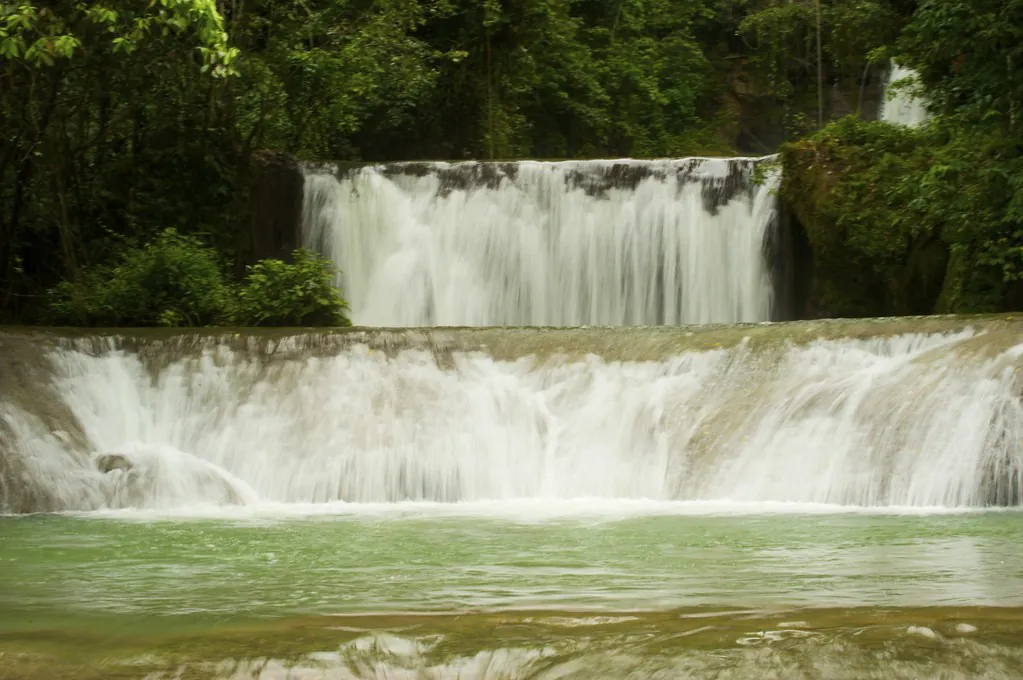
Turn up at YS Falls in the middle of February and the river greets you with a civil sort of clatter. Seven tiers stepping down through limestone, pools clear enough to count the stones on the bottom, and a tractor track dry enough that the jitney kicks dust up behind it. Turn up in late September, three days after a tropical wave has pushed through, and the same gorge makes an entirely different noise: brown water hammering the rock shelves, spray drifting back across the pasture, and a warden at the gate working out which pools are safe to open.
Which version you get comes down to timing, and timing at YS Falls is a moving target rather than a square on a calendar. February and October sit eight months apart and deliver two genuinely different attractions. Both are good. They are not the same day out.
Your answer depends on what you came for: solitude, water volume, photography light, a dry zipline deck. No single month delivers all four at once, and anyone promising otherwise has not spent a wet Tuesday in St. Elizabeth. What follows is the timing layer only. Admission prices, packing lists and the current operating picture sit on the Plan Your Visit hub, while driving times from Negril, Montego Bay and Ocho Rios live on How to Get to YS Falls.
The Two-Season Framework, Plainly Put
Jamaica runs on two seasons, and the South Coast feels the split harder than the resort strips up north. December through April is the dry season: steady trade winds, scarce rain, rivers running low and clear. It is also peak season. Hotel rates climb from mid-December, cruise calls stack up at Ocho Rios and Falmouth, and YS Falls absorbs the overflow from every island tour on the books.
May through November is the wet season, though “wet” in St. Elizabeth means short, heavy bursts rather than all-day drizzle. The falls run fuller and louder through June, July and August. Outside the school holidays, the car park empties out considerably, and you can hear the water from the ticket gate rather than the noise of somebody else’s Bluetooth speaker.
The shoulder weeks do the heavy lifting for anyone hedging their bets. The stretch just after Easter and the fortnight either side of Christmas sit between the two patterns: dry enough for easy footing on the upper trails, wet enough to give the cascades some muscle. If you can only pick one window and want a bit of everything, aim there.
| Season | Months | Water | Crowds | Suits |
|---|---|---|---|---|
| Dry season | December to April | Low, clear flow; shallow, gentle pools | Heaviest, especially January to March | Weak swimmers, families, a guaranteed dry zipline deck |
| Shoulder | Late April to early May; late November to mid-December | Mixed: rising or falling, decent volume | Moderate, with holiday spikes | Most visitors, first-timers wanting a bit of both |
| Wet season | May to November | Full, fast, turbid for a day or two after rain | Thin, apart from July and August | Photographers, quieter mornings, dramatic water |
| Peak hurricane window | Mid-August to mid-October | Unpredictable; partial and full closures possible | Quietest of the year | Flexible travellers who can shift plans on the day |
Dry Season: December to April
Dry season is the sensible bet for a first visit, particularly with children in tow. Between December and April the spring-fed river drops to its lowest annual flow, which means the natural pools are shallow, simple to step into, and clear enough to see exactly what your feet are landing on. Rock ledges at the upper tiers stay visible instead of submerged, and the whole site feels less like a scramble and more like a gentle afternoon out.
The trade-off is people, and it is a real one. January to March is teh busiest window on the Jamaican visitor calendar. Coach tours from Montego Bay and Negril arrive in convoy through the late morning, and by eleven the queue at the tractor loading point can stretch back past the changing rooms. Arriving on the first jitney of the day changes the experience completely: cool air, soft light, nobody in your photograph.
Trails are at their driest now, which matters more than most people expect. River shoes still earn their place, but the descent to the lower pools is straightforward and the canopy zipline deck stays dry, so the safety brief is quicker and the operation runs to schedule. If the zipline is the main event for you, this is the window to book it in.
Wet Season: May to November
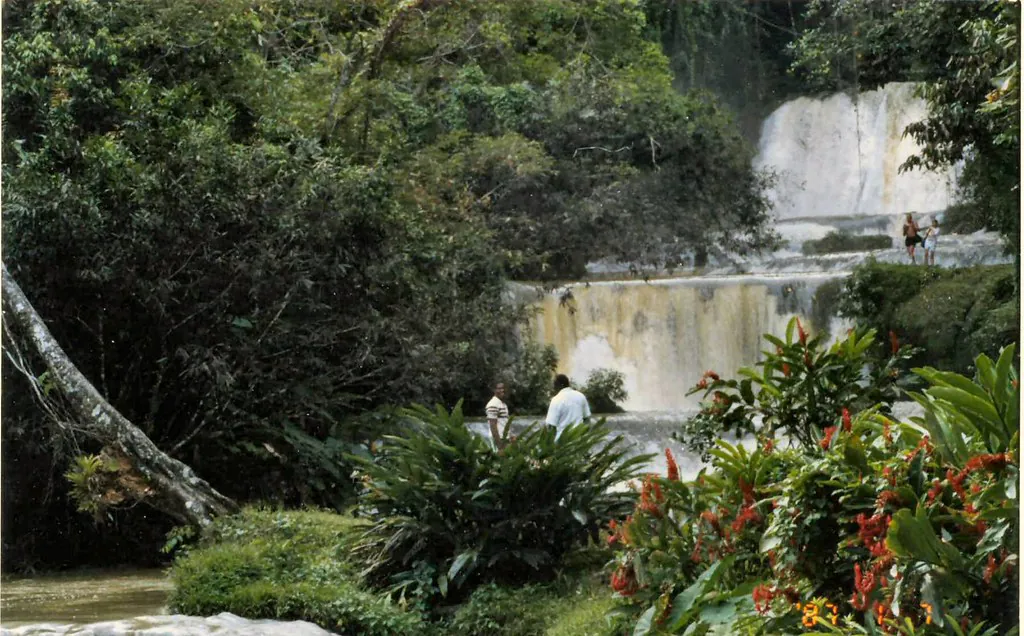
From May the afternoon showers return, and by June the river carries proper weight. This is the version of YS Falls that photographs well: seven white ribbons against wet black rock, plenty of spray hanging in the canopy, and a low thunder you feel in your chest before you reach the viewing platform. The gorge smells different too, greener and heavier, with the farmland above the falls at its most lush.
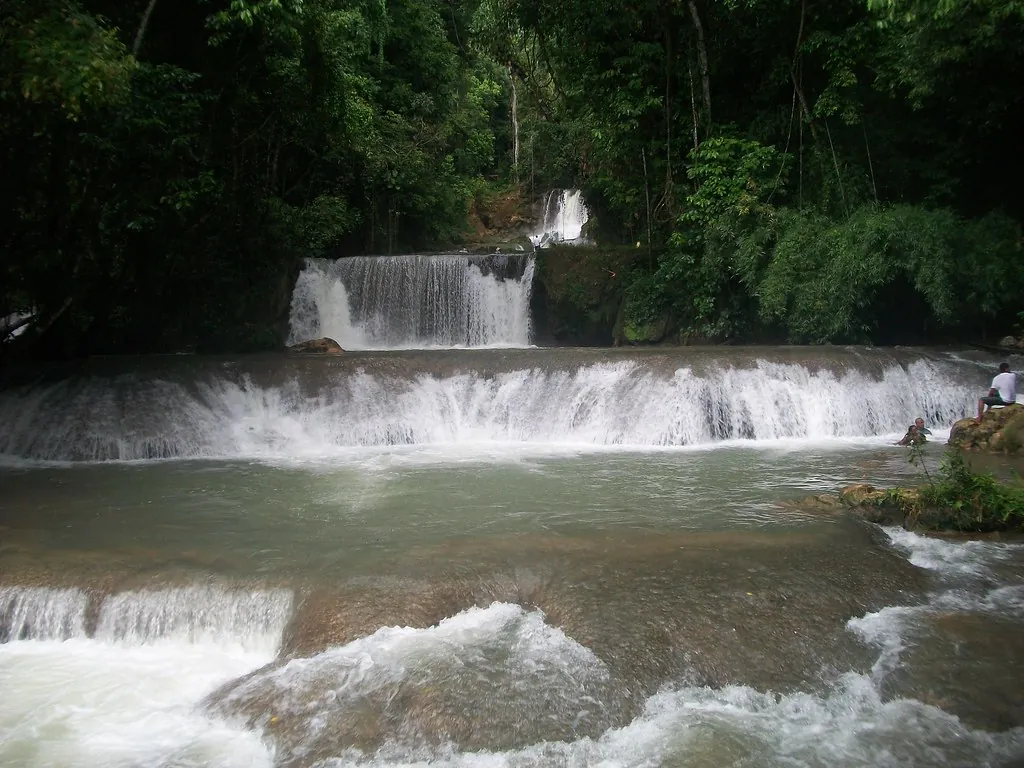
Water clarity drops after heavy rain. Pools turn tea-brown for a day or two, which bothers photographers far more than swimmers. Currents strengthen at the lower tiers, and the wardens may close specific pools while leaving the rest of the site open. That distinction matters when you are reading a notice board: a partially closed day is often still a very good day, and the upper viewing points are rarely affected.
Crowds thin from May into June and again in September. July and August break the pattern entirely, because diaspora families travel home and North American schools empty out, so the middle of the wet season is also the middle of a second peak. Book accommodation early if you are coming in those two months, and expect the South Coast guest houses around Black River to fill first.
Hurricane Season: The June to November Reality
The Atlantic hurricane season runs from 1 June to 30 November, with the statistical peak landing between mid-August and mid-October. Jamaica sits squarely inside that belt, and the island has absorbed enough direct hits over the decades that storm preparation here is a well-practised routine rather than a scramble.
Geography works in the falls’ favour. YS Falls is inland in St. Elizabeth, up in the Santa Cruz Mountains, which shelters the gorge from the coastal storm surge that flattens beach roads. What the site is vulnerable to is rain: river flooding that closes pools, plus washouts on the rural access roads that lead in from the main highway. This is where most YS Falls hurricane questions get their answer. After a serious storm, the waterfall itself has usually come through fine, but the practical question is whether you can reach it and whether the water has dropped back to a safe level.
September and October carry the highest risk of a weather-driven closure, and this is when YS Falls hurricane queries spike on hotel desks and in tour operator inboxes. A fortnight after a named storm has passed, there are still knock-on effects: a slower river than usual, one or two closed pools, and road crews patching the potholes that occured overnight. Treat any tour confirmation as the starting point rather than the final word, and verify on the morning you travel.
- Jamaica Meteorological Service: island forecasts, rainfall outlooks and tropical storm bulletins. Their seasonal outlooks run months ahead, which is more useful for choosing a fortnight than choosing a day.
- NOAA National Hurricane Center: the definitive Atlantic tracking source, with five-day forecast cones and public advisories issued every few hours as a system approaches.
- Office of Disaster Preparedness and Emergency Management: government emergency bulletins and parish-level status updates in the days after a storm.
- Jamaica Information Service: official announcements covering road conditions, utility restoration and site reopenings.
- The Gleaner: independent reporting, often the fastest place to find out which roads have washed out.
- YS Falls official site: operator-level notices on opening hours, pool access and seasonal closures.
The Months, One by One
- January to March: the coolest mornings of the year, driest trails, and the heaviest resort-season traffic. Book accommodation well ahead.
- April: the turn. Warm days, the first proper afternoon showers returning, and Easter crowds packed into the first week.
- May: quiet, green and warm, with rainfall building without ruining a full day.
- June to August: full rivers, long daylight hours, school-holiday crowds, and a diaspora travel peak in July.
- September to October: the quietest weeks of the year and the highest closure risk. Best for the unhurried traveller willing to gamble on weather.
- November: drying out, thin crowds, comfortable temperatures, and a good chance of a clear run at the upper tiers.
- December: settled and dry, then a festive surge from mid-month as the Christmas holiday begins.
What Rainfall Does to the Water Itself
Low Flow
Pools sit shallow and clear. Rock structure is visible underfoot, entry points are gentle, and children or nervous swimmers do fine. The zipline deck stays dry. Typical from January through April, and again in a settled December.
High Flow
Cascades hit at full volume with heavy spray. Water runs turbid for 24 to 48 hours after rain, currents strengthen at the lower pools, and wardens may fence off certain tiers entirely. Typical from June through August, and after any sustained downpour.
Spring Water, Canopy Shade and the Shape of the Day
The water is spring-fed and cold all year round, and the temperature swings far less than visitors anticipate. Entering a pool in July feels roughly the same as entering one in January: a genuine jolt, somewhere in the low twenties Celsius at the source. The canopy overhead keeps the gorge itself cool through the middle of the day, which is lovely for sitting about and less lovely for photographs, because the brightest light arrives at noon exactly when the pools are at their fullest.
Midweek mornings are the sweet spot. Cruise calls at Ocho Rios and Falmouth push a surge through the early afternoon, and those ships do not care what season it is. Sundays bring Jamaican families out in numbers: expect a fuller car park and a livelier atmosphere by late morning. If you are checking YS Falls opening hours on a Sunday, plan a later, busier arrival rather than an early one. Monday status is worth confirming before you set off, since historical opening patterns at the falls have shifted over the years and small South Coast operators often use the quiet day for maintenance.
Jamaican public holidays reshape the whole week. Good Friday and Easter Monday are heavy, Emancipation Day on 1 August and Independence Day on 6 August bookend a long weekend that fills every guest house between Black River and Treasure Beach, and Christmas with Boxing Day brings the year’s biggest domestic travel spike. North American and UK school breaks drive the January, April and July surges on top of that.
| Window | Conditions | Crowds | Best for |
|---|---|---|---|
| First jitney of the morning | Cool, soft light on the upper tiers | Lightest of the day | Photography, a quiet swim, easy footing |
| Late morning to early afternoon | Brightest light, peak heat | Heaviest; longest queues at the tractor point | Nothing in particular, unless you enjoy company |
| Mid-afternoon | Cruise and coach arrivals clear through | Thinning fast | A second swim with fewer people about |
| Final hour before last entry | Cooling, shade across the gorge | Light | Late swimmers, though time is compressed |
How to Check Whether YS Falls Is Open
Current YS Falls opening hours shift with the season, and last entry is typically mid-afternoon. Rain can change the picture inside a single morning, so the sequence below is the one I use before driving out, in order.
- Check the YS Falls official site for any notice about closures or restricted pool access.
- Phone or message the operator directly and ask two specific things: whether the site is open today, and whether all pools are open or only some.
- If a storm has passed through in the previous fortnight, read the ODPEM bulletins and scan The Gleaner for road reports on the approach routes.
- Confirm with whoever is driving you. On the South Coast, the access road is usually the last thing to recover, not the falls themselves.
- Ask your booking platform what the rebooking policy is if weather closes the site. Most major platforms will move or refund a tour, which is worth having in September and October.
Go early on a weekday in the dry season and you can have the second tier to yourself for twenty minutes. Take river shoes whatever the forecast says. The limestone is slick when it is wet and sharp when it is dry, and there is no version of a YS Falls day where bare feet work out well. It is the sort of morning you’d hope for.
Gemma Holloway, South Coast
Pairing YS Falls with a Black River Safari
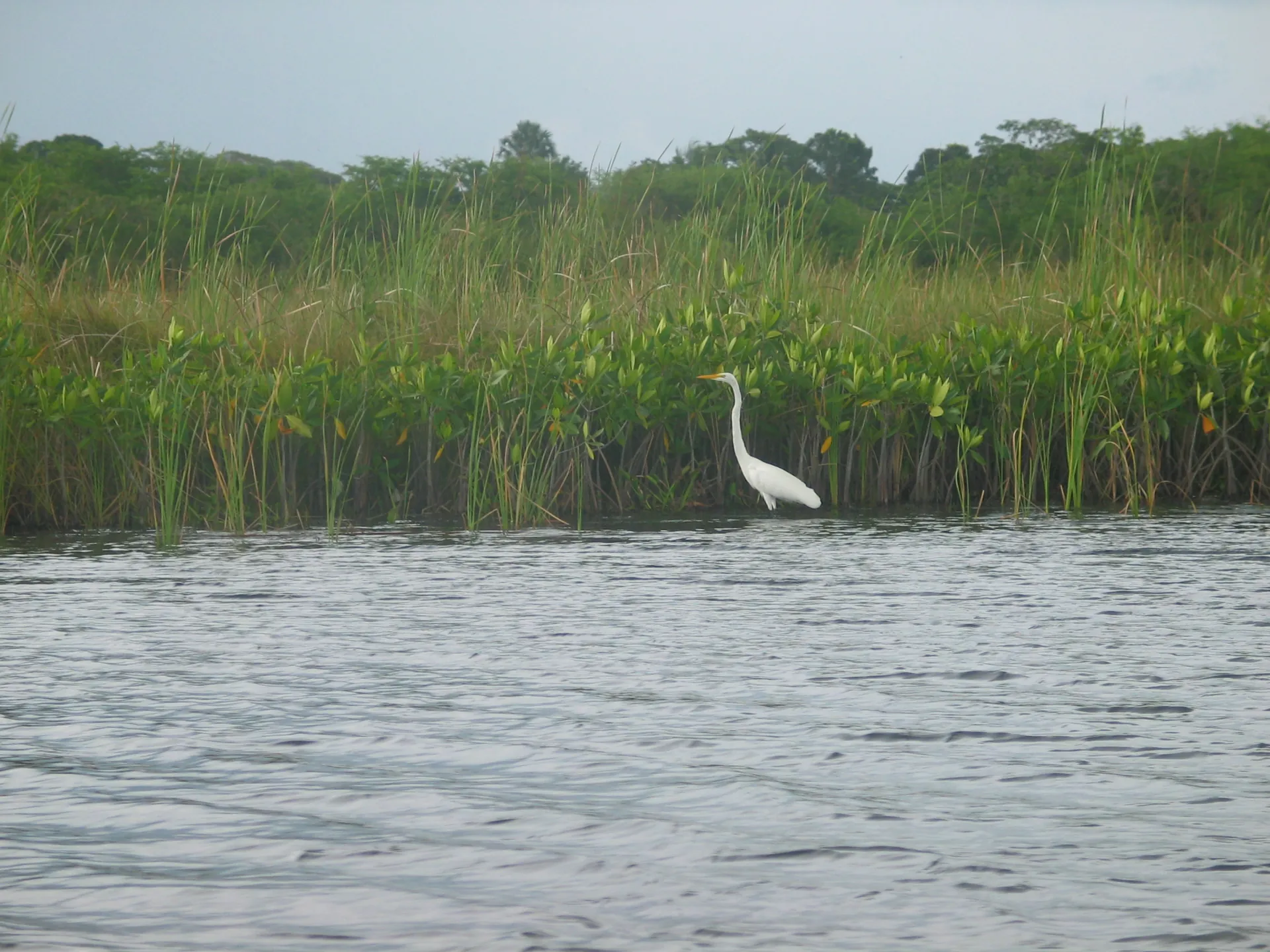
Seasonal logic decides the order of a South Coast day. In the dry months the return leg from the falls down to Black River runs on firmer roads and you lose less time to potholes and standing water. In the wet months the safari itself gets better: higher water in the mangroves, lusher banks, and a far stronger chance of crocodile sightings along the shaded stretch.
Most travellers run the falls first and the boat second, which suits both the light and the heat. The YS Falls and Black River Safari run from Negril covers both in a single day, and the YS Falls and Black River Safari page sets out the sequencing and timing trade-offs properly.
Zipline, Canopy and Photography by Season
Canopy activity runs on wind and wet-deck protocols. Dry-season mornings give you the most reliable window, because operators pause lines when the deck is slick or gusts pick up, and both happen more often in the wet months. Booking availability thins out dramatically in September and October, when some operators run reduced schedules and a few shut entirely for maintenance.
Light behaves differently across the year. Dry season gives you hard, clean light from mid-morning, which flatters the upper tiers and makes the rock structure readable. Wet season gives you spray, soft mist and fast-moving water, though you will want a cloth for the lens. Overcast days are underrated: the gorge is heavily shaded already, and flat light removes the blown highlights that ruin a noon shot from the top platform. The nature guide has more on viewpoints and how the tiers stack up visually.
Choosing Your Window
A first visit, or any visit with children: aim for late January to early April and be at the gate for the first jitney. You get the clearest water, the easiest footing and the gentlest pools, and you beat the coach convoys by two hours.
Photographers and anyone who wants volume over calm: late June to August, or the first fortnight after a decent rain in May. Solitude at the cost of certainty: September and October, built around a flexible day and a morning-of phone call. Anyone combining the falls with a boat trip should think about road conditions first and crocodiles second, which usually points to the drier months.
Then verify, pack your river shoes, and read the visitor rules and guidelines before you go, particularly if you are bringing children or plan on the zip line. If you are still weighing whether the falls are worth a slot in a short itinerary, the honest answer is yes, and the things to do at YS Falls page shows you why it holds a full day rather than an afternoon.