Black River, Jamaica: What to Know Before You Visit
Black River, Jamaica: What to Know Before You Visit
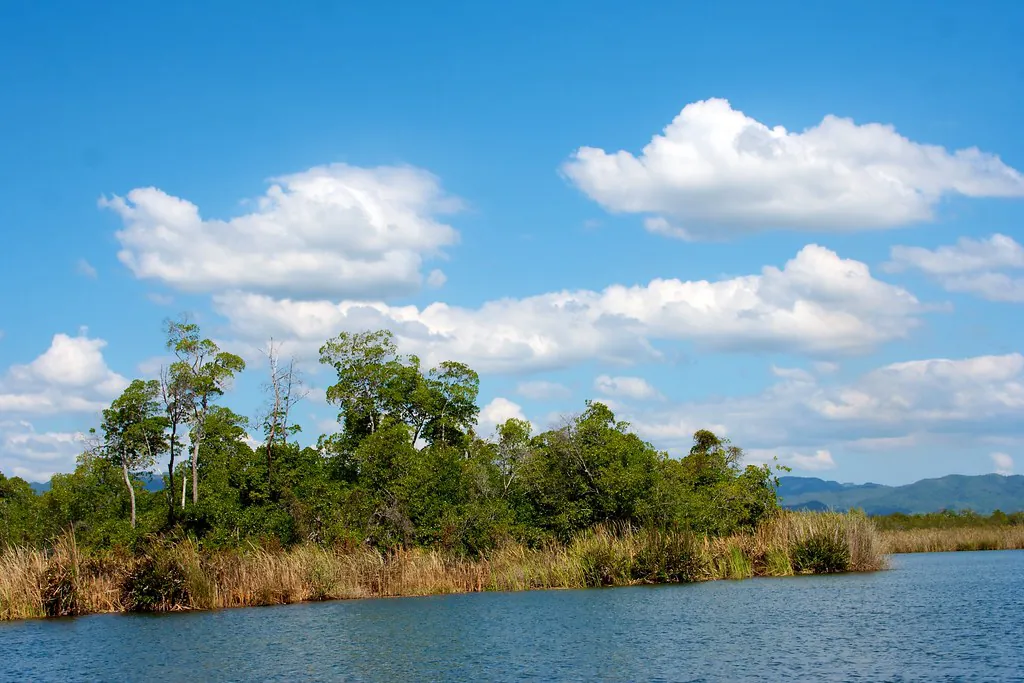
Black River is the sort of South Coast place that rewards travellers who leave a little breathing room in the itinerary. The town sits in St. Elizabeth Parish beside Jamaica’s longest navigable river, with the Black River Lower Morass stretching inland behind it. Come for the river safari and you get crocodiles, mangrove channels and wetland birdlife; linger in town and the story shifts towards old shipping warehouses, timber houses and the commercial life that once moved through this corner of Jamaica.
I have always liked this part of St. Elizabeth because the pace changes as soon as you leave the larger resort corridors. The countryside opens out, roads thread through farmland and the river country feels properly tied to the landscape around it. YS Falls is inland from Black River and often appears on South Coast itineraries, but the town and wetland deserve their own time rather than being treated as a quick stop between attractions.
Black River at a Glance
Location: St. Elizabeth Parish on Jamaica’s south-western coast.
Role: Black River is the parish capital and a historic coastal town whose fortunes were closely tied to the river and port.
River: The Black River is Jamaica’s longest navigable river, flowing through a large wetland system before reaching the Caribbean Sea.
Main visitor experience: Guided boat safaris into the river and Lower Morass, with American crocodiles as the headline wildlife.
The National Library of Jamaica identifies Black River as the capital of St. Elizabeth, a parish bordered by Westmoreland and Manchester, with the wider district extending from the coast into very different inland landscapes. That distinction matters when planning a visit: “Black River” can mean the town itself, the river, or the much larger wetland environment surrounding the lower river.
If your plan is a river safari, give yourself enough time to see Black River as a place rather than simply a pickup point. The town has a history worth noticing, even when the river is the main reason you came.
Where Black River Sits on Jamaica’s South Coast
Black River lies on the south-western side of Jamaica, roughly where the inland St. Elizabeth countryside meets the coast. The Black River Lower Morass spreads around the lower river, creating a broad wetland landscape that is quite different from the dry coastal roads and agricultural country farther inland.
That geography makes Black River useful on a South Coast itinerary. Travellers staying around Negril can head east towards St. Elizabeth, while visitors based closer to the central South Coast can build the town and river into a longer day of exploring. YS Falls sits inland, so a Black River visit can make sense as part of a wider countryside day, although the two attractions are separate experiences with different settings and rhythms.
For route planning, keep the distinction clear: Black River town is the historic settlement at the coast, while the Black River river system extends well beyond the streets and harbour. The Lower Morass is a substantial wetland landscape, and a boat safari only shows one accessible section of that much larger ecological system.
The Black River Itself
The Black River is Jamaica’s longest navigable river. Its history is bound tightly to trade, transport and the development of the surrounding parish. Goods including logwood, sugar, coffee and rum moved through the area, helping Black River grow into an important commercial port on the South Coast.
The name comes from the dark appearance of the water, which is influenced by the wetland environment and organic material associated with the river system. From a safari boat, the character is quite different from the clear spring pools at YS Falls: the river is broad, slow-moving and shaded in places by mangroves, with muddy banks where crocodiles can lie almost impossibly still.
Visit Jamaica describes the river as a route into the island’s history and ecosystems, while the National Library of Jamaica records its long connection with St. Elizabeth’s commercial development. This is one of those landscapes where geography and history are difficult to separate because the same waterway that supported trade now carries visitors into the wetland.
Black River Lower Morass
The Black River Lower Morass is a Ramsar Wetland of International Importance, recognised for its ecological value. In 2021, Jamaica expanded the Ramsar boundary from 5,700 hectares to 85,664 hectares, bringing a much larger range of wetland habitats into the internationally recognised site.
The expanded area includes herbaceous wetland, riparian and swamp forest, limestone islands, freshwater areas, coastal flood plain and dunes. That variety helps explain why the Lower Morass supports such a broad collection of wildlife. Ramsar documentation records more than 300 bird species and 207 plant species within the site, alongside species of international conservation concern.
The wetland is easy to underestimate when you are sitting on a safari boat. What looks like a quiet stretch of river is connected to a much wider network of habitats, and the health of those habitats matters far beyond the visitor experience. The Lower Morass holds water, supports wildlife and forms part of the ecological fabric of the South Coast.
Wildlife You May See
American crocodiles are the signature encounter on a Black River safari. Jamaica’s crocodile population is concentrated particularly around the Black River system, and the animals can often be seen resting on exposed banks or slipping quietly into the water as a boat approaches.
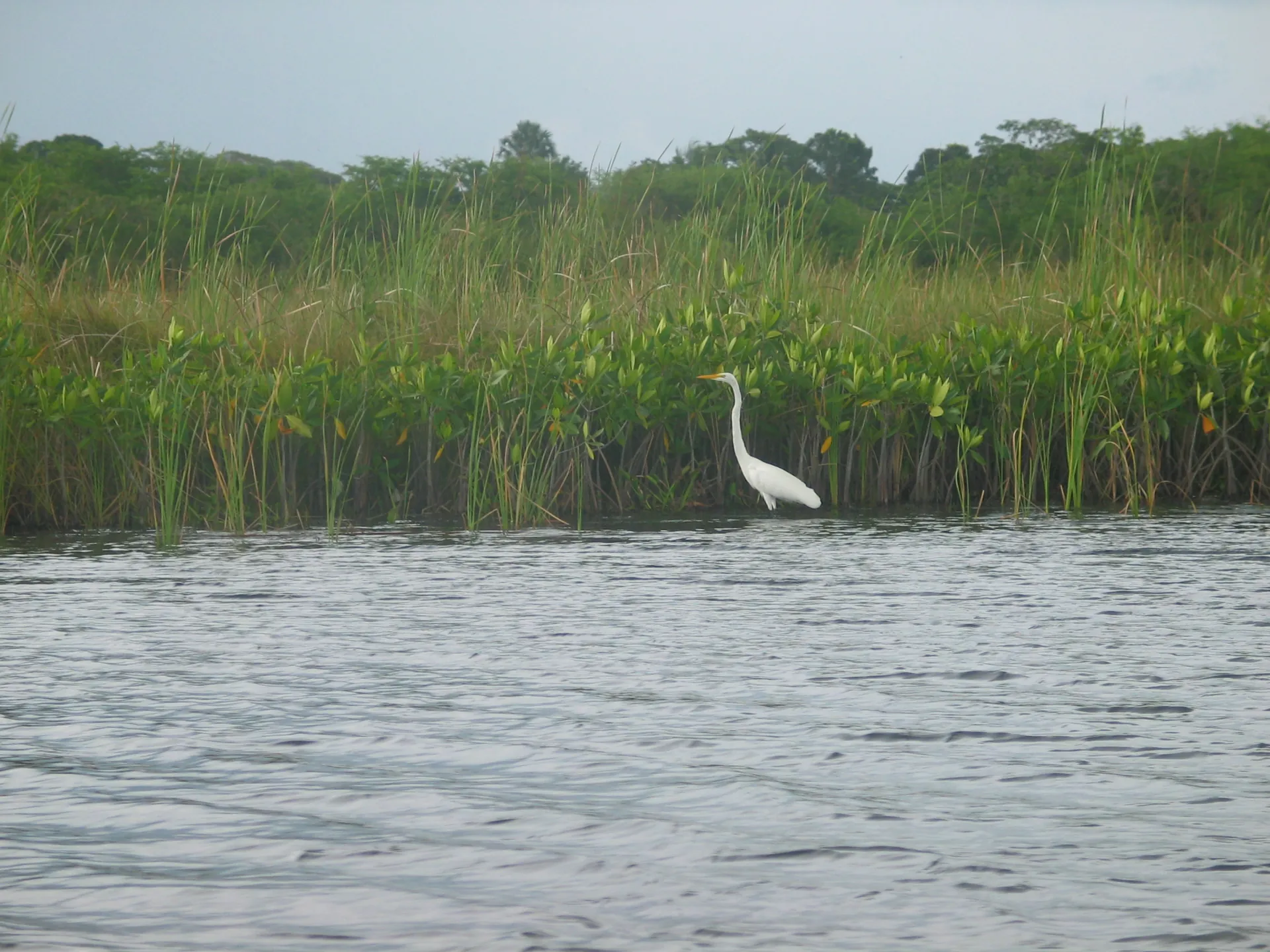
Waterbirds are another part of the experience, particularly around quieter stretches of wetland and mangrove. Your guide may also point out other birds, vegetation and river life that would be easy to miss if you were simply travelling through the district by road.
There is also a chance of seeing a West Indian manatee. It is a genuine possibility rather than something to tick off a guaranteed wildlife list, and sightings depend on conditions, season and the animals themselves. A responsible safari keeps the boat under control and lets wildlife dictate the encounter rather than chasing an animal for a photograph.
Keep your camera ready, but keep your distance too. A crocodile is wild wildlife, even when it has become familiar with boats and guides.
What a Black River Safari Is Like
The main safari experience is a guided pontoon-boat journey through the river and mangrove environment. The current operator advertises a one-hour guided boat trip as part of its standard safari experience, with interpretation covering wildlife, the river and its history.
The boat ride itself is relatively gentle. You are not signing up for white-water adventure; the appeal is the slow movement through a landscape where the guide can stop to point out a crocodile on the bank or explain how the wetland works. In the warmer parts of the day, the shade along the river is particularly welcome, although I would still wear a hat and bring sun protection.
The operator also advertises a Crocodile Nursery and conservation-focused experiences. That adds a different layer to the river trip, because you get to hear about crocodile care and conservation rather than seeing the animals only as photographic subjects.
Black River Safari Prices and Booking
Prices change by visitor category and package, so check the operator directly before paying. The current advertised prices in 2026 show a useful range of formats rather than one universal admission figure.
| Safari format | Advertised price | What it covers |
|---|---|---|
| Boat tour & Crocodile Nursery | US$10–$30 | One-hour guided boat tour, wetland and mangrove experience, wildlife viewing and nursery visit, with price varying by visitor category. |
| Essential half-day excursion | US$70–$140 | One-hour boat safari, Crocodile Nursery and round-trip transfers from Negril or Montego Bay. |
| Boat charter | From US$300 | Private boat charter format. |
| Boat charter with transfer | From US$600 | Private charter combined with transfer arrangements. |
The operator’s current booking pages also advertise combination packages that pair the safari with YS Falls, including options with lunch and transfers. Those packages are useful if you want both attractions in one day, but they belong to a different planning decision from visiting Black River independently.
For the latest availability, prices and pickup arrangements, use J. Charles Swaby’s Black River Safari directly. Its current contact information lists the base at 1 Crane Road in Black River and WhatsApp contact alongside its online booking pages. The published telephone number is currently described by the operator as temporarily unavailable, so check the live contact details before travelling.
Black River’s Historic Town
Black River has a history that reaches well beyond tourism. It grew as a port and commercial centre, with the river acting as the route through which products from inland estates reached the coast. Historic buildings around the town still reflect that period, although the physical fabric of Black River has been badly affected by recent storms.
The town is recognised as a historic district, and the Jamaica National Heritage Trust has identified Black River among Jamaica’s historic districts. Timber houses, old commercial buildings and public structures tell part of the story of a port town that once had a much greater role in the island’s economy.
Black River also has an unusual place in Jamaica’s history of infrastructure. Waterloo House received electricity in 1893, and historical accounts identify Black River as the first Jamaican town to receive electricity. The town is also associated with early motor-car and telephone history, details that are worth exploring through local heritage sources rather than treating every colourful claim as an established fact.
There is a harder recent chapter too. Hurricane Melissa struck Jamaica in October 2025 and caused severe damage in Black River. Jamaican government reporting in 2026 described major redevelopment plans for the town, while local reporting has documented damage to historic structures. That means older guidebooks and photographs can give you an impression of Black River that does not match every street you see today.
The Port, River Trade and Local History
River trade shaped Black River long before the safari boats arrived. Logwood was particularly important because it was exported for use in dye production, while sugar, rum and other agricultural products moved through the port. The river connected the productive interior with the coast, making the town a natural commercial meeting point.
The old port eventually declined, and the former commercial importance of the waterfront faded. Accounts of Black River’s history also record the closure of the port in 1978. Walking around the historic centre with that background in mind makes the architecture easier to read: warehouses and substantial houses were built for a working town, not a resort strip.
Some heritage stories are tied to uncomfortable parts of Jamaica’s past, including slavery and the Atlantic trade. They should be approached with the same care as the natural history of the river. A respectful visit leaves room for the town’s full story rather than polishing away the difficult parts.
What Else Fits Around a Black River Visit
YS Falls: The falls are inland in St. Elizabeth and can be paired with Black River when your schedule allows. The spring-fed pools and waterfall landscape are a completely different environment from the mangrove river.
For detailed waterfall logistics, keep the YS Falls guide, transport guide and planning pages as your main references rather than trying to squeeze every admission and swimming detail into a Black River itinerary.
Appleton Estate: The rum estate lies farther inland in the Nassau Valley and fits naturally into a broader South Coast countryside itinerary. It is a separate experience, with its own tours and timing.
If you are building a full day around several attractions, leave proper margin between stops. South Coast roads can make a short-looking map distance take considerably longer than expected.
Black River in a South Coast Day Trip
From Negril or Montego Bay, a packaged excursion can make Black River easier because the transfer, safari and sometimes other attractions are arranged together. The current Black River Safari half-day package advertises round-trip transportation from both locations, alongside the one-hour river trip and Crocodile Nursery visit.
Independent travellers have more freedom over how long they spend in the town, when they eat and which nearby stops they include. The trade-off is that you are responsible for transport timing and for allowing enough space in the day if rain or road conditions slow things down.
A combined Black River Safari and YS Falls day makes sense when you want two contrasting landscapes without arranging separate transport. If you are more interested in the river, wildlife and local history, I would resist cramming the day until every minute is accounted for. The river is at its best when you have enough time to pay attention.
When to Visit and What to Expect
Black River has a tropical climate, so rain can arrive even when the morning begins bright and clear. River conditions, visibility and wildlife activity can change with weather, rainfall and seasonal patterns. A shower does not automatically ruin a safari, but heavy rain can alter outdoor plans and road conditions.
After severe weather, check the safari operator directly rather than relying on an old tour listing or a social post. This matters particularly after hurricanes, when roads, buildings, utilities and attraction schedules can change quickly. Black River is still dealing with the effects of Hurricane Melissa, and redevelopment work has been part of the town’s 2026 story.
If you are travelling during a period of unsettled weather, keep your itinerary flexible. A little breathing room is far more useful than spending half the day worrying about teh next transfer.
Practical Visitor Notes
- Bring sun protection even when the boat has shaded sections, because the open water can feel surprisingly bright.
- Wear comfortable clothes that work for a warm, humid day and keep your camera or phone protected from splashes.
- Carry some cash as well as a card for drinks, souvenirs and gratuities, particularly if you are travelling independently.
- Listen carefully to your guide around crocodiles and remain in the designated boat areas rather than trying to get closer for a photograph.
- Wildlife sightings are never guaranteed, including manatees. The river itself is part of the experience.
- Check the operator’s current schedule and prices before setting off, especially after periods of heavy weather.
- Give yourself extra travel time if Black River is one stop among several South Coast attractions.
- Remember that the town and wetland are living communities, not a theme park built around visitors. Support local businesses where you can and treat historic places with care.
Trusted Sources for Black River
For the ecological picture, the Ramsar Sites Information Service is the strongest reference for the Black River Lower Morass and its internationally recognised wetland status. The National Library of Jamaica is particularly useful for parish history and the development of Black River, while the Jamaica National Heritage Trust and Jamaica Information Service are good places to check Jamaica’s heritage designations and government heritage information. Visit Jamaica is useful for wider South Coast orientation, and J. Charles Swaby’s Black River Safari is the source to check for current safari formats, prices and contact details.
Those sources also help separate two things that are easy to blur together online: the historic town of Black River and the wider river-and-wetland ecosystem. A safari introduces you to the latter; a slow walk through town gives you a glimpse of the former.
A Slower Way to See the South Coast
Black River makes sense when your Jamaica itinerary has room for the landscape between the headline attractions. The crocodiles are memorable, certainly, but so is the feeling of moving quietly through mangrove country while the guide explains how the river shaped the parish. Then there is the town itself, with its old commercial buildings and the traces of a port that once connected inland St. Elizabeth to the wider Caribbean.
If YS Falls is already on your route, Black River can sit naturally beside it without turning the whole day into a race. Spend time in the spring water inland, then head towards the river and watch the landscape flatten into wetland. That change in scenery is part of what makes the South Coast so rewarding.
Bring a hat, keep your camera handy and leave some slack in the schedule. The best part of Black River is often the bit that was not tightly planned.